

Lake houses offer a relaxing escape, but they also attract more than people. The same natural setting that makes waterfront living appealing also draws birds, squirrels, carpenter bees, raccoons, and bats. These animals are constantly searching for safe, sheltered spaces, and a lake home often provides ideal conditions. When exterior materials begin to wear down, even slightly, the structure becomes vulnerable. Understanding how your roof and siding play a role in pest prevention is one of the most effective ways to reduce unwanted wildlife activity.
Why Lake Homes Attract More Pests
Lake environments naturally support a higher concentration of wildlife. Trees, water sources, and dense vegetation provide food and shelter, which encourages animals to stay close to homes. Seasonal or vacant use of lake houses can make the problem worse because pests are less likely to be disturbed. Over time, small weaknesses in the exterior envelope turn into open invitations for nesting and entry. This is where proactive maintenance becomes essential, especially when considering lake house pest control as part of overall property care.
Common Entry Points On Your Roof and Exterior
Most pests do not force their way in. They exploit existing damage or gaps. The three most common entry points include:
- Roof edges and fascia boards where wood begins to rot or separate
- Cracks in siding or areas where panels have shifted over time
- Soffits and roof vents that are damaged or improperly sealed
These areas are especially important in any home inspection checklist because they are often overlooked until pests are already inside.
Signs pests may already be inside
Early warning signs include scratching sounds in walls or ceilings, droppings in attic spaces, visible nesting materials near vents, and small holes in soffits or siding. You may also notice staining around entry points or increased insect activity near rooflines. Addressing these signs early can reduce the need for more extensive residential pest control or rodent control services later.
How exterior condition affects pest vulnerability
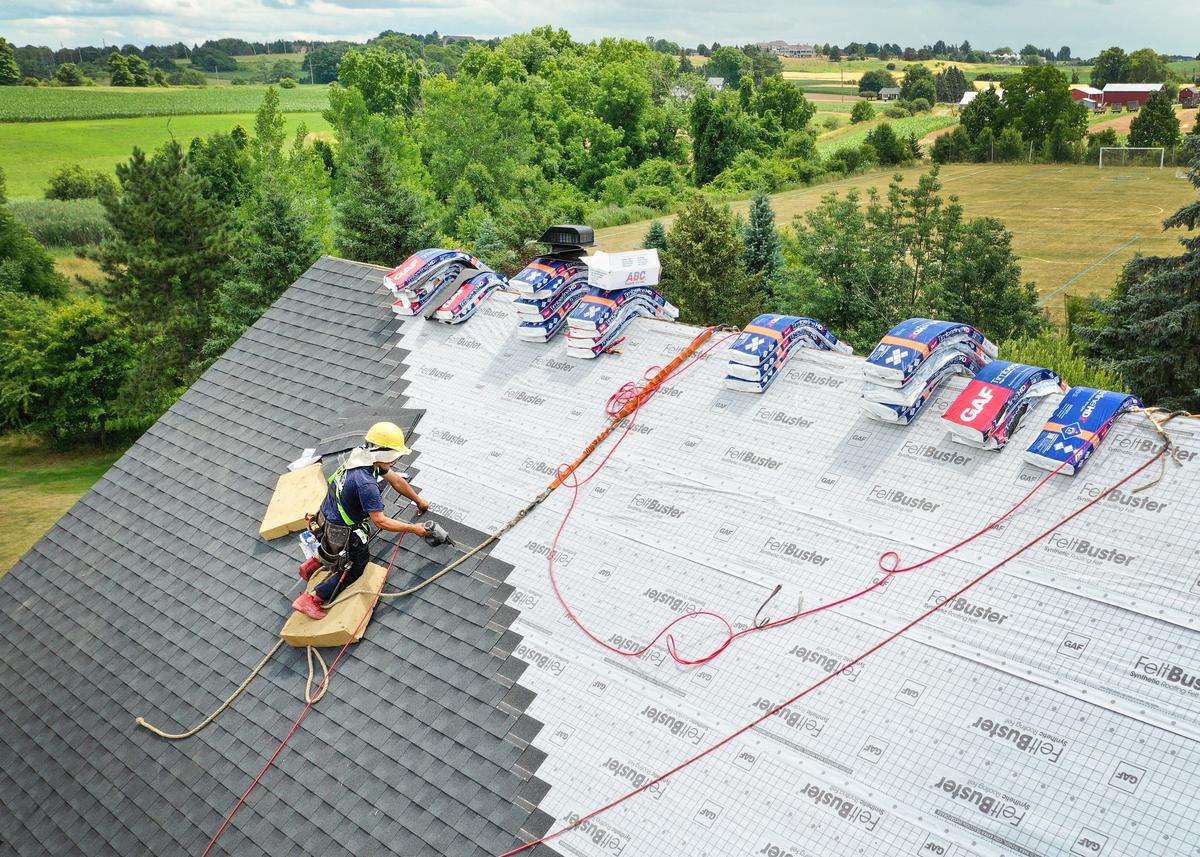
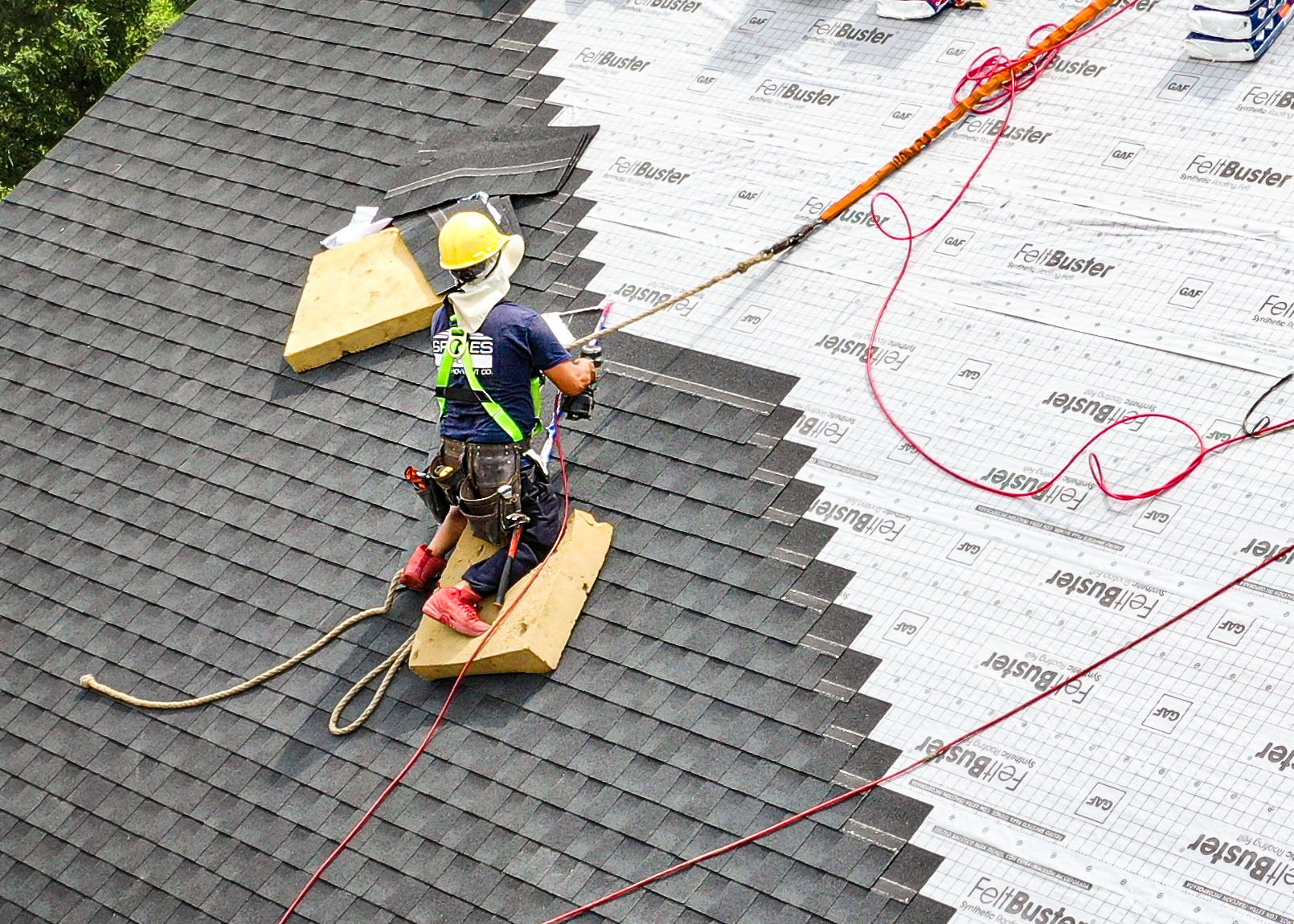
Your roof and siding act as the first line of defense. When shingles curl, fascia boards soften, or siding cracks, pests gain direct access to insulation and interior cavities. Even minor deterioration can lead to larger infestations over time. This is why regular exterior evaluations are just as important as pest control treatments. Preventing access is far more effective than trying to remove pests after they settle.
DIY prevention and when to call professionals
Homeowners can reduce risk by trimming tree branches away from the roof, sealing visible gaps, cleaning gutters, and inspecting vents seasonally. These steps align with basic guidance on how to keep pests out of home. However, when structural damage is present or repeated pest activity occurs, it is best to involve a professional exterior inspection. A thorough review of roofing and siding can identify hidden vulnerabilities before they escalate.
Contact Graves Brothers Home Improvement
An Oaks exterior inspection focuses on identifying weak points in your roofline, siding, and exterior envelope that allow pests to enter. Closing these gaps early helps protect both the structure and comfort of your lake home.
For more information on protecting your home exterior, contact Graves Bros.
Frequently Asked Questions About Pest Prevention
Have questions about keeping pests away? Explore our FAQs below to learn more about prevention and protection.
Graves Brothers Home Improvement: Expertise You Can Rely On
Ready to refresh your home with confidence? From roof repairs and siding upgrades to windows and doors, our experienced team puts quality first at every step. Reach out us on 844-904-7663 or contact us today to start your next home project with trusted professionals.