

Many homeowners postpone home repairs because the issue seems minor, life gets busy, or the timing simply does not feel right. A loose piece of siding, a small roof leak, or a clogged gutter may not appear urgent today. However, what starts as a simple home repair can quickly grow into a much larger and more expensive problem.
The reality is that most property issues follow a compounding damage cycle. Small defects allow moisture, pests, or structural stress to enter the home. Over time, those issues spread, affecting surrounding materials and increasing the overall home repair cost. What could have been fixed for a few hundred dollars can eventually require thousands in restoration work.
In this blog, we’ll break down how many of these problems start, how to identify the signs before damages become expensive, and how Graves Brothers can help with repairs and replacements that protect your home’s exterior.
How Minor Problems Turn Into Major Expenses
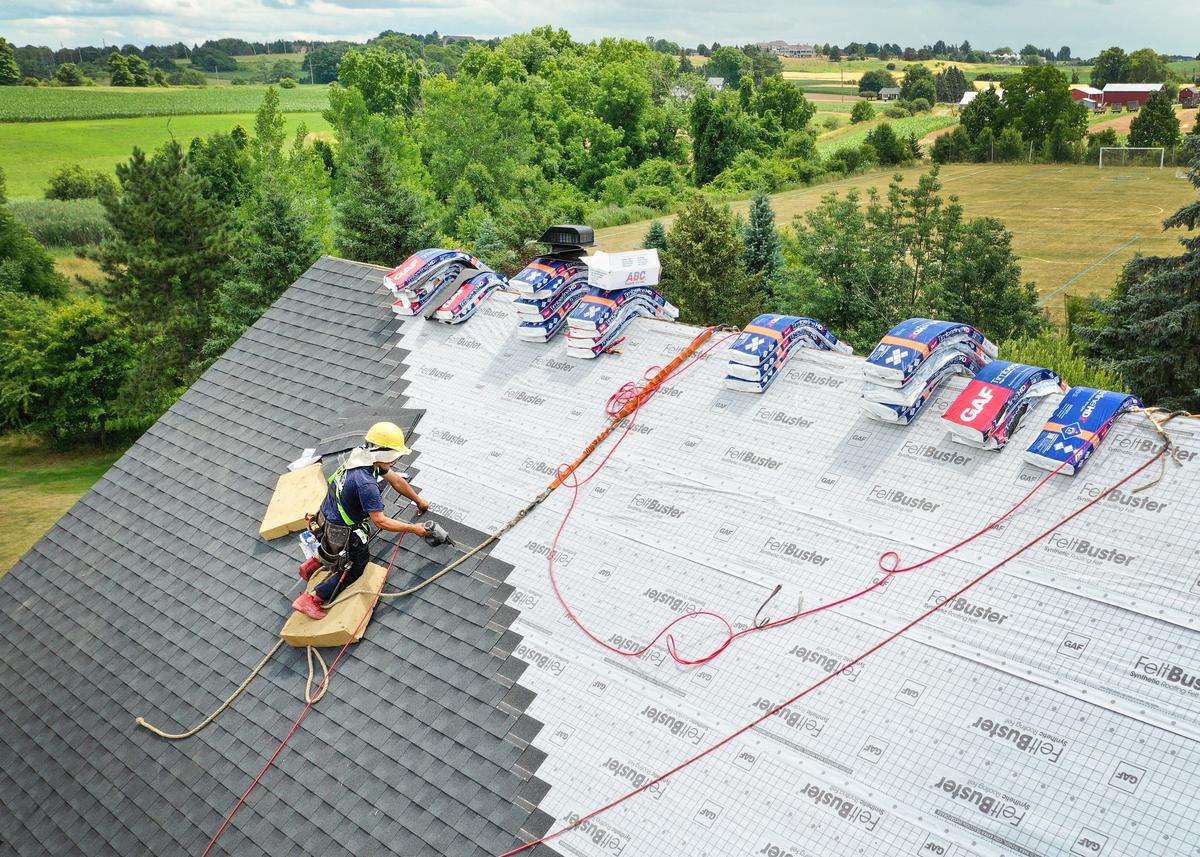
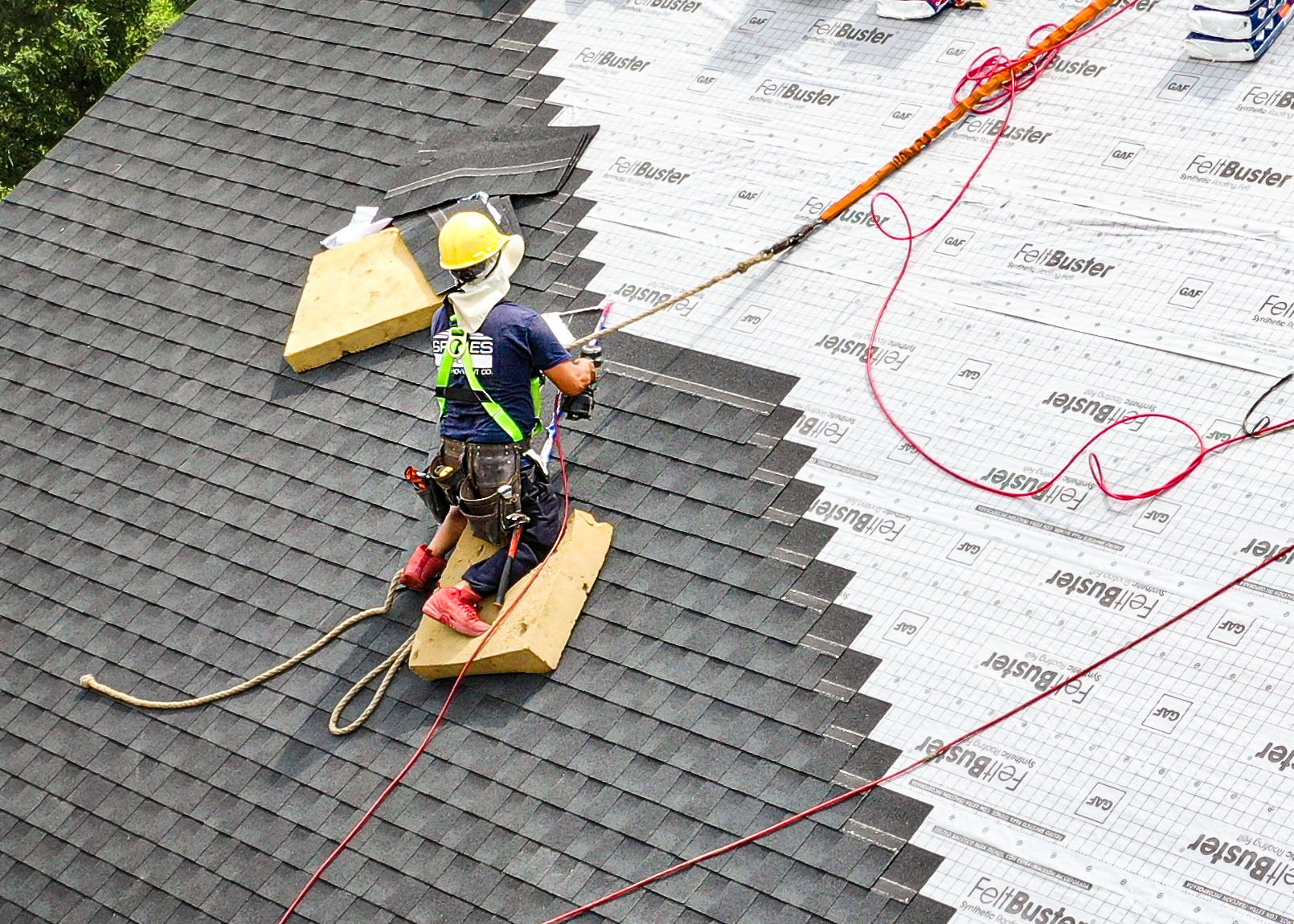
A missing shingle is a perfect example of a small problem that can grow into a large issue. At first, the fix may involve a simple roof repair costing a few hundred dollars. Left unattended, water can penetrate the roof system and damage the decking underneath. As moisture continues to spread, homeowners may face wood rot, insulation damage, mold growth, and even interior ceiling repairs.
The same pattern occurs with siding repair. A small crack or loose panel allows water to seep behind the exterior surface. Months later, hidden moisture can lead to rot, mold, and costly structural damage that is far more difficult to correct.
In many cases, the original issue is not what drives up costs. It is the secondary damage that develops while the problem goes unnoticed.
Five Commonly Delayed Repairs and Their Consequences
Many homeowners put off exterior repairs because the damage appears minor or purely cosmetic. However, small issues rarely stay small for long. Exposure to weather, moisture, and seasonal temperature changes can quickly turn manageable repairs into costly structural problems. Understanding which repairs are most commonly delayed and the consequences of waiting can help homeowners protect their property's value, safety, and long-term condition.
Roof Damage
Missing shingles, cracked flashing, and small leaks often seem harmless. Over time, water infiltration can damage insulation, ceilings, and framing.
Siding Issues
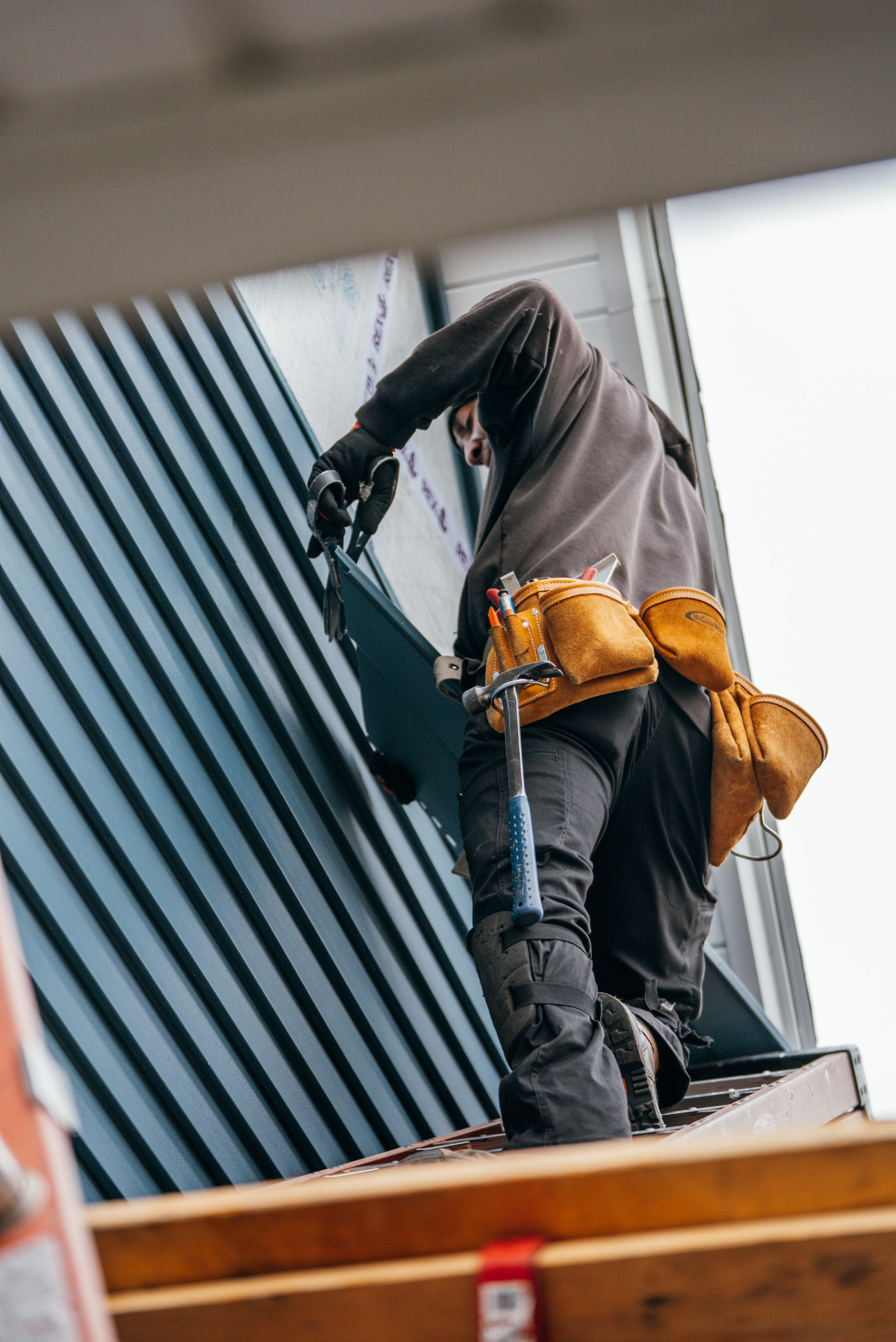
Damaged siding exposes the home's structure to moisture and pests. What begins as a simple siding repair can eventually require extensive wall reconstruction.
Gutter Problems
Clogged or damaged gutters direct water toward the foundation instead of away from it. This increases the risk of basement moisture, erosion, and foundation movement.
Window and Door Gaps
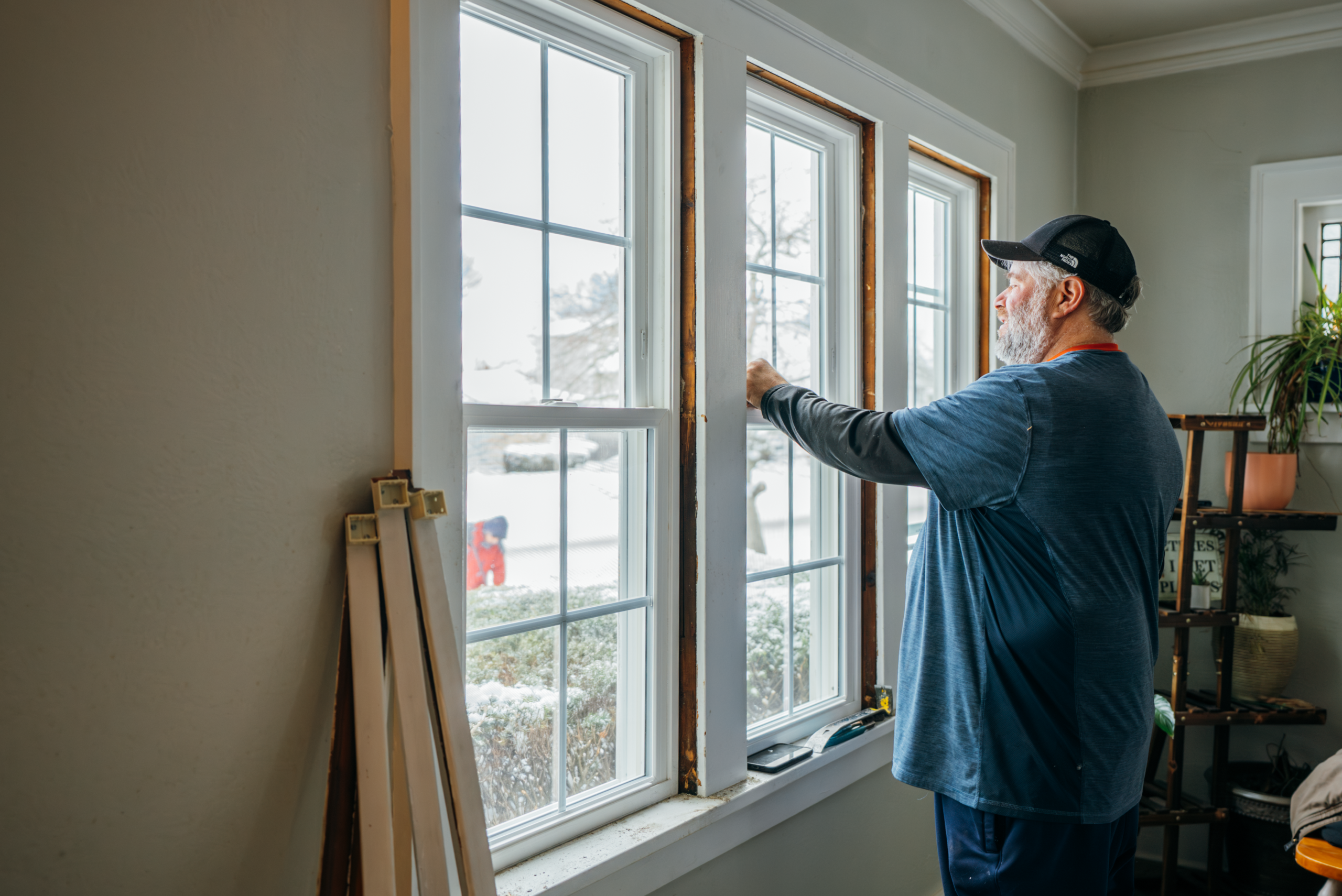
Small openings allow water and air intrusion. Over time, framing materials can deteriorate, leading to hidden repairs and energy loss.
Deck and Exterior Wood Rot
Minor wood deterioration can spread quickly. Structural components may weaken, creating safety concerns and larger replacement costs.
Why Seasonal and Lake Homes Face Greater Risk of Damage
Seasonal properties and lake homes are especially vulnerable because they often sit unoccupied for weeks or months at a time. A small leak that develops in early spring may go unnoticed until summer. By then, water damage may have affected insulation, drywall, flooring, and structural components.
Homes near water also experience higher humidity levels, which can accelerate deterioration. Moisture-related problems tend to worsen faster when regular inspections are not performed. For these properties, routine maintenance and timely house repair work are critical to protecting long-term property value.
How to Protect Your Home Before Costs Escalate
Whether you are considering home improvement, planning future home remodeling, or simply trying to protect your investment, addressing minor issues early can save substantial money in the long run. Most major repairs begin as small, manageable problems.
Scheduling a professional inspection today can help identify concerns before they become costly emergencies. A proactive approach not only reduces repair expenses but also helps preserve the safety, appearance, and value of your home. Contact Quality Homes of Rochester today for a free estimate.
Frequently Asked Questions About Delaying Home Repairs
Homeowners often have questions about the risks and costs associated with postponing repairs. While every situation is different, understanding how delayed maintenance affects your home's condition, value, and long-term expenses can help you make informed decisions. Below are answers to some of the most common questions about putting off essential home repairs.
Graves Brothers Home Improvement: Expertise You Can Rely On
Ready to refresh your home with confidence? From roof repairs and siding upgrades to windows and doors, our experienced team puts quality first at every step. Reach out us on 844-904-7663 or contact us today to start your next home project with trusted professionals.