

Ask any Albany homeowner which room in the house runs cold and they'll answer without thinking. It's the bedroom over the garage, or the corner of the living room nobody sits in after Thanksgiving. The furnace runs, the thermostat reads 68, and that part of the house still feels a step behind. A lot of the time, the reason is sitting right behind the siding, in walls that were built long before anyone paid much attention to how quickly heat moves through them.
Insulated vinyl siding is one way Graves Brothers helps Capital Region homeowners close that gap. From the street, it looks like the vinyl siding you already know. Behind each panel, though, is a layer of rigid foam that changes how the siding performs. Below, we'll walk through how insulated siding works, how it stacks up against standard vinyl, what it can and can't do for your heating bills, and how to decide whether it's the right upgrade for your Albany home.
What Is Insulated Vinyl Siding?
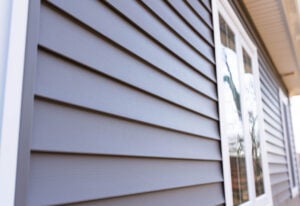
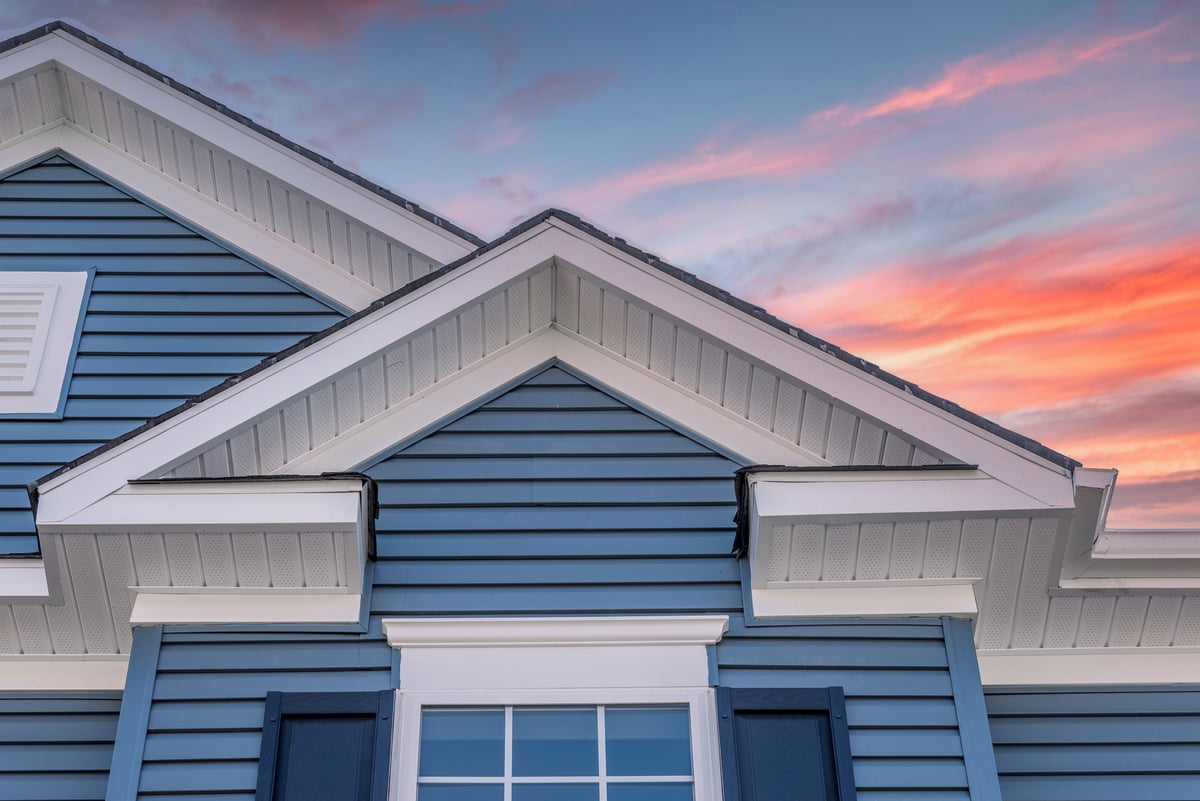
Standard vinyl siding is hollow. Each panel is a thin, shaped shell that hangs on the wall, leaving open air behind its profile. Insulated vinyl siding fills that space with contoured expanded polystyrene (EPS) foam that's bonded to the back of the panel at the factory. The foam follows the exact shape of the siding, so the vinyl and the insulation go up on your house as a single piece.
That foam backing does three jobs at once.
- Adds insulation to the outside of your walls - Insulated vinyl siding is held to an industry standard that requires a minimum R-value of 2.0, and many products land between R-2 and R-2.7. Hollow vinyl, by comparison, comes in around R-0.6.
- Stiffens each panel - The foam supports the vinyl from behind, so long walls stay straighter and flatter.
- Improves impact resistance - A supported panel holds up better to hail, a stray baseball, or a bumped ladder than hollow vinyl does.
Graves Brothers installs insulated vinyl siding from CertainTeed and Mastic, in a range of colors and profiles that suit everything from a Colonie split-level to an older home in Pine Hills.
How Insulated Siding Helps Albany Homes Hold Heat
Most exterior walls are framed with wood studs every 16 inches. Even when the spaces between those studs are filled with insulation, the studs themselves carry heat straight through the wall. Builders call this thermal bridging, and it's one reason a wall can feel cold to the touch even when it's insulated on paper.
Insulated siding wraps a continuous layer of foam across the outside of the wall, covering the studs along with everything in between. That makes it harder for heat to slip out through the framing.
This matters more in Albany than in a lot of places. The Capital Region's heating season stretches from fall well into spring, so even a modest improvement in how your walls hold heat adds up over months of furnace use. Many homes around Albany were also built before today's energy codes, and their walls often have little insulation, or insulation that has settled and left gaps over the decades.
The savings depend on your house, but there's research behind the idea. In one U.S. Department of Energy Building America case study, a home that was retrofitted with insulated siding saw heating energy use drop by about 8% after accounting for weather. Your results will vary with the age of the home, what's already in the walls, and how well the rest of the house is sealed.
Many homeowners notice the comfort difference before they notice it on a bill. Walls feel less cold, rooms hold a steadier temperature, and the foam layer helps quiet outside noise from traffic and wind.
Insulated Siding vs. Standard Vinyl Siding
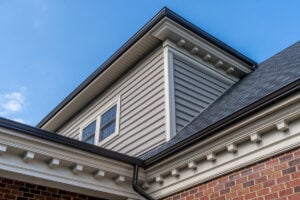
Both options are low-maintenance and come in plenty of colors and styles. Here's how they differ.
- Energy performance - Insulated siding adds a layer of exterior insulation. Standard vinyl adds very little.
- Appearance - The foam backing keeps panels flat and straight, especially on long walls, and gives the siding a more solid look and feel up close.
- Durability - Supported panels resist dents and cracks better than hollow ones.
- Upfront cost - Insulated siding costs more than standard vinyl because of the added foam and heavier panels.
- Upkeep - The same for both. A yearly wash with a soft brush and mild cleaner keeps either one looking good.
What Insulated Siding Won't Do
Insulated siding is a real improvement, but it isn't a cure-all, and it's worth knowing its limits before you decide.
- It won't replace attic insulation or air sealing - Heat rises, and in many homes the attic and the gaps around it are where the most heat escapes. If your attic is under-insulated, that's often the first place to look.
- It won't fix drafty windows and doors - Cold air sneaking in around old window frames needs its own fix.
- It won't fill empty wall cavities - If your walls have no insulation at all, insulated siding helps, but it isn't a substitute for insulating the walls themselves.
- It won't stop water on its own - Keeping moisture out of the wall depends on proper house wrap, flashing, and installation underneath the siding.
If you're not sure where your home is losing the most heat, Graves Brothers offers a free Home Performance audit that can pinpoint the problem areas. Qualified homeowners may also be eligible for help with energy upgrades through the EmPower+ program.
Is Insulated Vinyl Siding Worth the Extra Cost in Albany?
For a lot of Albany homeowners, the answer comes down to timing and the condition of the house. Insulated siding tends to make the most sense in these situations.
- You're already replacing your siding - The old siding is coming off anyway, so you're paying only the difference between standard and insulated panels, not the cost of a separate project.
- Certain rooms always run cold - Exterior walls that feel chilly are a good sign your walls could use help.
- Your home is older - Homes built before modern energy codes often have the most to gain from an exterior layer of insulation.
- You have long, flat walls - Insulated panels stay straighter and look sharper across wide stretches of siding.
- You plan to stay for a while - Comfort and energy savings build year after year, so the longer you're in the home, the more you get out of it.
Standard vinyl may be the better fit if you're planning to sell soon, your home is newer with well-insulated walls, or you only need to repair a few damaged sections. We quote partial siding repairs, and in most cases we can match your existing siding so the repair blends in.
Several things shape the cost of an insulated siding project, including the size of your walls, how many layers of old siding need to come off, the condition of the sheathing underneath, the profile and color you choose, and how much trim, soffit, and fascia work is involved. The best way to get a real number is an in-person look at your home.
What Happens During an Insulated Siding Installation
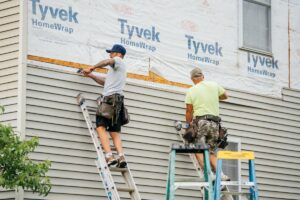
Every home is a little different, but most insulated siding projects follow the same steps.
- Free inspection - A local Graves Brothers expert looks at your existing siding and walls, at no charge for full replacements.
- Itemized estimate - You get a clear, line-by-line estimate with no hidden fees or surprise add-ons.
- Tear-off - The old siding comes off so our crew can see the condition of the wall.
- Wall repairs - Any soft or water-damaged sheathing is repaired before anything new goes up.
- Weather barrier - House wrap goes on to help keep moisture out of the wall.
- Installation - New insulated panels, corners, and trim are installed and flashed around windows and doors, with room left for the siding to expand and contract.
- Cleanup and walkthrough - The crew cleans up the site, and we walk the finished job with you.
Why Albany Homeowners Choose Graves Brothers
Graves Brothers Home Improvement has been working on homes in New York since 1977. That's long enough to have seen how different siding products hold up through decades of Upstate winters, and to know that installation matters just as much as the material.
- Certified siding installers - Our crews are CertainTeed and Mastic certified.
- A+ BBB rating - We’ve earned an A+ rating from the Better Business Bureau.
- Partial repairs and full replacements - In most cases, we can match your existing siding so repairs blend in.
- A dedicated project supervisor - You’ll have a single point of contact from start to finish.
- A 5-year workmanship guarantee - Every project is backed by our guarantee.
- Flexible financing - Qualified homeowners can get no interest for 12 months.
- One local team for your whole exterior - We also handle roofing, gutters, windows, and doors.
Schedule a Free Siding Estimate in Albany, NY
If a cold room or an aging exterior has you thinking about new siding, our Albany team can help you decide whether insulated vinyl is the right fit for your home. We'll look at your siding and walls, walk you through your options, and give you an honest recommendation, even if standard vinyl or a simple repair makes more sense. Call us at 838-221-7663 or request your free estimate to get started.
Graves Brothers Home Improvement: Expertise You Can Rely On
Ready to refresh your home with confidence? From roof repairs and siding upgrades to windows and doors, our experienced team puts quality first at every step. Reach out us on 844-904-7663 or contact us today to start your next home project with trusted professionals.